Water & energy
Measure the Shower Before Choosing a Replacement
Separate flow, duration and compatibility so a water-saving decision starts with the shower you actually have.
A quiet-period test and a careful record of meter readings can clarify high bills before you touch a wrench or buy replacement parts.
A higher water bill is a reason to check the details, not proof of a hidden pipe failure. I would start with the amount of water recorded, the billing dates and whether the reading was estimated. If there is no urgent visible problem, a suitable no-use meter check can add information. Gathering those observations helps you describe the issue clearly when speaking to the utility, property manager or plumber.
EPA WaterSense recommends comparing meter readings across a period when no water is being used. I would treat that as a way to gather evidence, not as a diagnosis. A changed register can justify a clearer question to the utility or property manager, particularly when the record also identifies any automatic water use that might explain the movement.
This guide sets out how to choose a quiet interval, document the meter and report what remains uncertain. You do not need to dismantle a fixture or decide which part should be replaced. The aim is a short, useful record that helps the person responsible choose the next investigation.
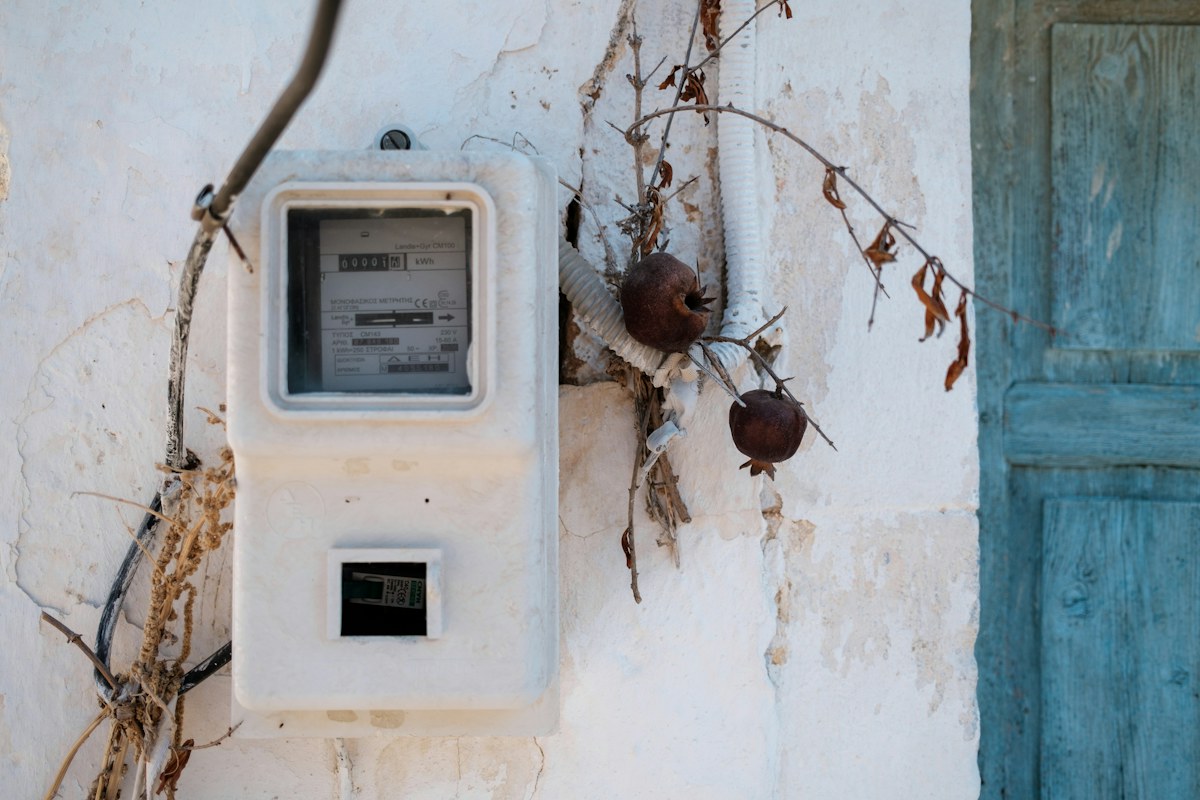
Before comparing bills, confirm what the meter measures. A shared meter cannot isolate your flat’s use. If access is locked or the register is unfamiliar, ask the property manager or utility for help rather than opening an enclosure. Read the billing dates as well: two statements may cover different lengths of time, even when their payment dates fall a month apart.
According to guidance from the United States Environmental Protection Agency WaterSense program, an effective screening method involves comparing meter readings before and after a two-hour period during which no water is used. Select a time when everyone in the household can reasonably leave the taps alone, such as an early morning hour. Check for appliances that might run automatically during this window, including a dishwasher programmed on a delayed start, an ice maker cycling water, scheduled outdoor irrigation, or a water treatment regeneration cycle. Never switch off essential home equipment simply to perform a test.
If a known use cannot be paused during the chosen window, write down that specific limitation alongside your test notes. Keeping these limitations visible makes the record easier to interpret. Rushing into a test without establishing these boundaries often leads to confusing results, where normal appliance operations are mistaken for unexplained water loss.
When the test interval begins, record the exact time, the complete set of digits displayed on the meter face, and the specific measurement unit printed on the dial. Taking a photograph from the exact same angle at both the start and end of the interval helps avoid mistaking optical glare or dial reflection for a changed digit later. If somebody accidentally washes their hands halfway through the test, abandon the interval and start a fresh one later. The fundamental purpose of this exercise is to remove guesswork, not to police the daily habits of household occupants.
If the meter reading changes during the quiet period, look for ordinary visible clues around the home. Check whether any faucet continues dripping after it is firmly closed, listen for a toilet tank refilling when nobody has used it recently, or look for a damp spot returning beneath an accessible pipe sink. Note precisely which fixture is involved, the time of the observation, and whether the surrounding floor or wall feels wet. A changing meter indicates water moved through the mechanism, but it does not identify the source.
An unchanged reading over two hours does not rule out an intermittent leak that was inactive then. Keep the result with its date and limits. A clear record helps the next person investigate; it does not need to support a confident diagnosis to be useful.
Beyond physical meter tests, utility bills frequently contain structural complexities that explain unexpected charges without pointing to a leak. Bills typically contain use quantities and financial charges, but the specific billing units and rate structures vary widely between municipalities. Some utilities measure consumption in gallons, while others use hundred cubic feet units. Comparing dollar totals across seasons can be deceptive if rate tiers change or if municipal fees adjust mid-year.
Another common variable is the distinction between estimated and actual readings. Utility providers sometimes estimate consumption based on historical averages when meter readers cannot access the property. Imagine a household where the utility estimated usage conservatively for three months, followed by an actual reading that captures the true accumulated volume in a single billing cycle. That correction can manifest as a sudden cost spike that looks identical to a severe continuous leak.
Review the bill beside your notes. If it is marked estimated, ask the utility what that means for this account and whether it accepts a customer reading. Some accounts use different reporting processes or combine multiple charges. An explanation of an estimate may resolve part of the surprise, while a separate unexplained change on the meter may still need investigation. Keep those questions separate.
Consider a hypothetical household receiving a higher water bill. The occupants choose a Saturday morning for a two-hour check, confirm that they can read their own meter and agree not to use water during that interval.
At exactly 7:00 AM, before any showers, coffee brewing, or laundry cycles begin, Mr. Miller checks the main utility meter located in the basement. He photographs the register, which displays a reading of 45892.3 gallons. They ensure the household dishwasher and washing machine are idle, though they note that the refrigerator ice maker remains plugged in because it cannot be conveniently isolated without shutting down the entire kitchen unit.
At 9:00 AM, the hypothetical final reading is 45894.8 gallons: a difference of 2.5 gallons. The ice maker ran during that interval, but the household does not know how much water it used. They therefore cannot subtract a guessed amount and call the remainder a leak. Their useful conclusion is narrower: water moved, and a known automatic use makes this interval inconclusive. They can record that limitation and ask the utility about the next suitable check.
Imagine that during your own quiet-period test, the meter digits visibly advance while you hear the hallway toilet tank periodically refilling on its own between uses. Writing down a specific note such as meter advanced during these intervals, along with the observation that the hall toilet refills without input, creates a strong, actionable maintenance request. This precision contrasts sharply with vague reports asking management to replace a toilet without supporting details.
Include timestamps, readings and photographs in the report, and let the responsible person assess the repair. A renter may need only to report the evidence promptly and provide access at an agreed time. A homeowner can ask the utility or a qualified plumber what the record suggests checking next. The meter cannot tell you which replacement part to order.
Active water spreading across a floor needs urgent attention, not a two-hour observation. Keep away from wet electrical fittings and outlets. Use the building’s urgent maintenance route and local emergency help where needed. Do not wait for another meter reading while damage is developing.
An inconclusive test is still useful when the reason is written down. Perhaps the meter serves a shared laundry, somebody used a tap, or the display was too difficult to read confidently. Each is a different limitation. Repeating the same test without changing that limitation will not produce a clearer answer. Ask the utility or building manager how the installation should be monitored instead of forcing a conclusion from an unsuitable interval.
Keep observations of dampness separate from the meter record. A wet surface needs attention, but its appearance alone does not prove how water reached it. Equally, a changed register does not locate a hidden pipe. Describe both facts without joining them into a diagnosis: for example, the register moved during an otherwise quiet interval, and a patch beneath the basin was wet when checked. A professional can decide whether they are connected.
My stopping point is the boundary between noticing and dismantling. If movement remains unexplained, share the record; if damage is developing, use the urgent reporting route. You have not failed because you cannot name a defective component. An accurate account of when water moved, which uses were possible and what you could safely observe is the result this check was designed to produce.
No. Compare quantities, billing dates, units, actual or estimated readings and what the meter serves. Those details may explain part of the change. Unexplained use still needs investigation; the total charge alone cannot identify a leak.
Not on the strength of a screening meter test alone. Identify the responsible person and the actual fixture first, because the meter reading shows volume movement rather than a worn mechanical part.
Ask the property manager or utility provider to access the meter rather than attempting to force or open the enclosure yourself.
EPA WaterSense suggests comparing readings before and after two hours when no water is used. Confirm what the meter serves and note automatic uses; an interval with unaccounted-for use is not a clear leak test. An active visible leak needs prompt attention instead.
An actual reading records the meter register. An estimated reading uses the utility’s estimate rather than a new direct reading; the reason and calculation vary. Ask your provider how estimates and later adjustments work on your account.
A clear record is useful even when it does not settle the cause. Compare the bill’s quantities and dates, then carry out a suitable no-use check if the situation allows. Note automatic uses and any limits of the observation. Sharing those facts gives the next person something concrete to investigate without turning one meter change into a diagnosis.
Have a correction? Contact the editors.
Separate flow, duration and compatibility so a water-saving decision starts with the shower you actually have.
Separate consumption, billing days and charges before deciding what a higher electricity payment means.
An observation sheet for a chilly entrance: locate the problem, establish who can change the door, and check that a proposed fix preserves its job.