Water & energy
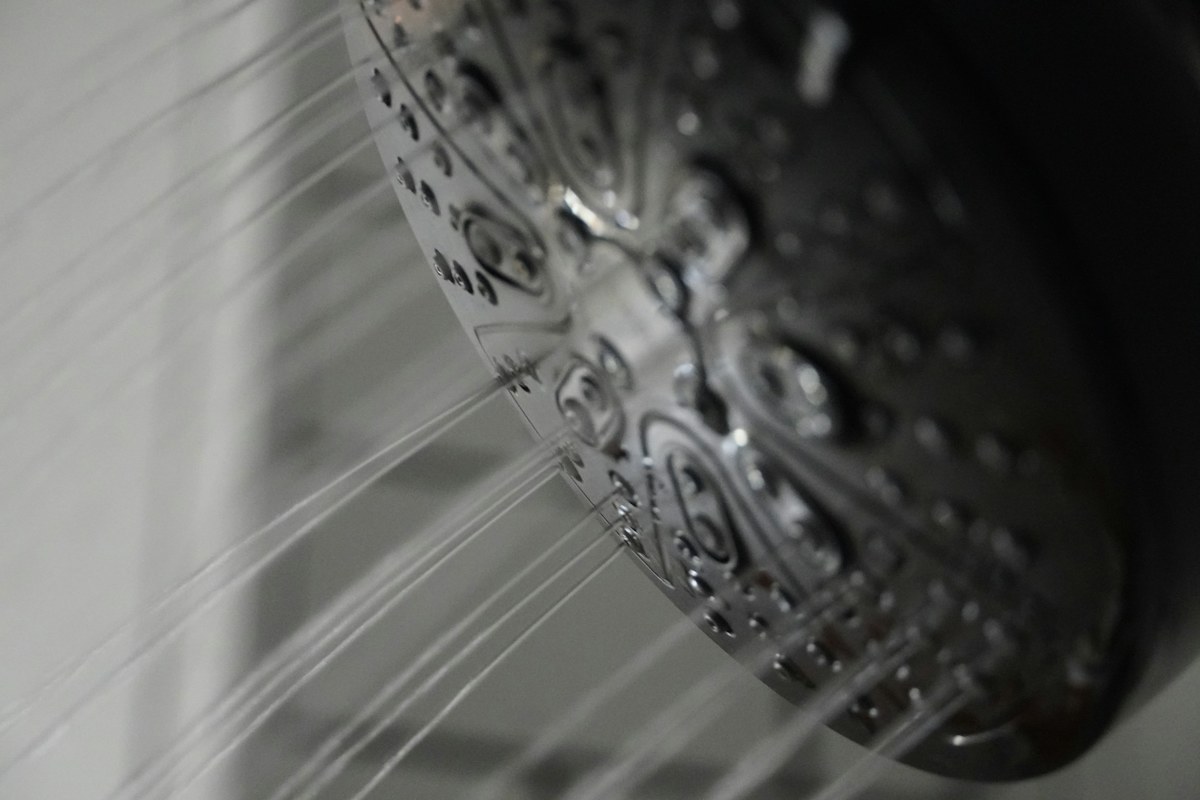
Measure the Shower Before Choosing a Replacement
Separate flow, duration and compatibility so a water-saving decision starts with the shower you actually have.
An observation sheet for a chilly entrance: locate the problem, establish who can change the door, and check that a proposed fix preserves its job.

A roll of adhesive strip is an easy thing to buy and a harder thing to choose correctly. A chilly hallway does not tell you which edge needs attention, whether a door is misaligned, or whether the opening serves a deliberate purpose. I would spend a few minutes describing the problem before looking at a shelf of sealing products.
This guide is about observation and a useful handoff, not altering every door that feels cold. A front entrance, a fire door in a shared corridor and an internal bathroom door can have different requirements. Their gaps and fittings are not interchangeable invitations to add material. Permission and the door's function belong at the start of the decision.
Imagine a rented flat where a reader notices cold air near the entrance after work. The temptation is to cover the bottom edge immediately. A better first note would identify the location, weather and door position, then ask whether the sensation comes from a visible gap, a nearby surface, or something that requires a building professional to investigate.
Start with a description someone else could recognize: the flat entrance facing the shared corridor, or the exterior back door beside the kitchen. Note whether the problem appears with the door fully closed and latched. A report that simply says the hallway is freezing gives a maintenance person little help locating the issue.
Add the approximate time and weather, if known. A sensation noticed only on windy evenings may deserve a different investigation from a door that is visibly distorted throughout the day. These observations are clues rather than proof of a specific defect. There is no need to collect a month of data before reporting a serious problem.
I would also record what the door already does badly. Does it catch, fail to latch, or need unusual force? Those are reasons to ask for attention, not reasons to compensate with a thicker strip. If a lock or escape route is affected, prioritize safe access and the appropriate maintenance response over a comfort experiment.
Inspect accessible edges in ordinary daylight. Notice visibly damaged or detached existing material, uneven clearances and obvious obstructions. Take a photograph if it can be done safely and with permission. Avoid capturing another resident's private space or security information when documenting a communal entrance.
The US Department of Energy's exterior-door job aid treats visible gaps and loose fit as possible indications of leakage and considers door adjustment before weatherstripping. It also emphasizes maintaining smooth operation. The practical point for a household is to identify the condition first; the illustrated professional installation sequence is not a universal recipe for an unfamiliar door.
Do not use a candle or an improvised smoke test. There is no need to introduce flame, smoke or an obstacle into an entrance to prepare a maintenance note. Do not remove labels, existing fire seals or hardware to get a better look. A safe visual observation can end with the conclusion that a qualified person needs to identify the assembly.
A gap may be unwanted leakage, but the existence of space alone does not establish that it should be sealed. Some openings form part of ventilation or another building requirement. Fire and smoke doors have particular components and performance requirements. An attractive consumer package saying suitable for doors does not resolve those questions.
For a rented or managed building, send the description to the responsible person before changing the assembly. Ask whether the door has a special designation and who is authorized to work on it. A written answer about the exact entrance is more useful than a neighbor's recollection of what was allowed in a different flat.
This also connects the door to the rest of the home. DOE's whole-house weatherization approach considers ventilation and other building systems together. I would avoid presenting sealing as an isolated contest to remove every air movement. Where combustion appliances, intentional air paths or persistent moisture are involved, the appropriate assessment goes beyond shopping for a strip.
Once an ordinary door has been identified as suitable for a household-level repair, follow its maker's and the proposed product's instructions. Record the accessible dimensions those instructions call for. Do not estimate a gap from a photograph and buy the thickest material available. Thickness is not a general measure of effectiveness.
My hypothetical flat entrance illustrates why. The occupant records a damaged seal on one side, while the latch-side clearance looks different. A single photograph of the bottom edge would have missed that. The useful next action is to give the manager the pattern and ask for assessment of the fit, rather than proposing the same foam around every edge.
Keep measurements separate from conclusions. A note can say where a ruler was placed and what it showed without claiming to establish the right replacement specification. If the door is heavy, the access is awkward or the measurement requires dismantling something, stop. The measurement is optional; safe handling of the door is not.
Before any permitted work, identify the functions that must remain available. The door should close and latch as intended, the lock should work, and people should be able to enter and leave normally. A household member with limited hand strength may notice resistance that another person overlooks. Comfort should not be purchased by making the entrance difficult to operate.
After work is completed by the appropriate person, use those same observations as a handover check. If a new strip catches or prevents proper closing, report it promptly and follow the responsible person's instructions. Do not repeatedly force a door shut or cut away an unidentified component to make a new product fit.
The same discipline applies to temporary ideas. Avoid taping a door shut, covering required vents or leaving an obstruction in an escape route. A makeshift draught blocker can create another problem if it gets trapped under a moving door. When the function is unclear, ask for an approved solution instead of making the uncertainty harder to see.
A useful follow-up note might say that the entrance now closes normally and the previously reported cold-air sensation is less noticeable in comparable conditions. That is a comfort observation. It is not a calculation of energy saved, and a warmer afternoon does not establish that a repair worked.
If the problem remains, the earlier description helps narrow the next conversation. Did the visible damaged section get addressed? Is the cold sensation in the same place? Is there another nearby surface or opening involved? Record the difference without deciding that a second, thicker layer is automatically the answer.
I would keep the final record small: original observation, authorized action, completion date and remaining concern. It can support a later maintenance request without becoming a household research project. The useful outcome is a door that performs its intended jobs and a better-understood comfort issue, not simply an empty roll of weatherstripping.
Do not change an identified or possible fire or smoke door without the appropriate authorization and technical guidance. Its clearances, seals and closing mechanism have specific roles. Ask the building manager or a qualified professional about that exact door instead of using a generic household product.
No. It is an observation worth locating and describing, not a complete diagnosis. Note the door position, where the sensation occurs and the conditions. A qualified assessment may identify another source or a fitting problem that a new strip would not address.
No. Follow the door and product instructions after confirming that the proposed alteration is appropriate. Excess material can interfere with operation. Uneven clearances may need assessment of the door itself, so a more substantial strip is not automatically a better choice.
Identify the exact door, describe when and where the problem occurs, note any difficulty closing or locking, and add a safe photograph if useful. Ask who may inspect or alter it. You do not need to diagnose the defect or prescribe replacement hardware.
This observation exercise cannot calculate that. Results depend on the building, climate, heating system, use and actual work. You can document a comfort change under comparable conditions, but a financial or energy-saving estimate requires an appropriate assessment and information beyond a single gap.
Give the door a clear description before giving it a new accessory. Establish its function, ask the right person about alterations, and preserve closing and access throughout the work. Those steps make a repair easier to assess and help avoid a purchase that merely hides the symptom. The best next action may be a concise maintenance request rather than a shopping trip.
Have a correction? Contact the editors.
Separate flow, duration and compatibility so a water-saving decision starts with the shower you actually have.
Separate consumption, billing days and charges before deciding what a higher electricity payment means.
Choose where the drying water will go as carefully as where the rack will stand, with a small observation routine for an ordinary home.