
Water & energy
Measure the Shower Before Choosing a Replacement
Separate flow, duration and compatibility so a water-saving decision starts with the shower you actually have.
Match the care labels, machine load, detergent dose and drying space before making a wash routine your default.
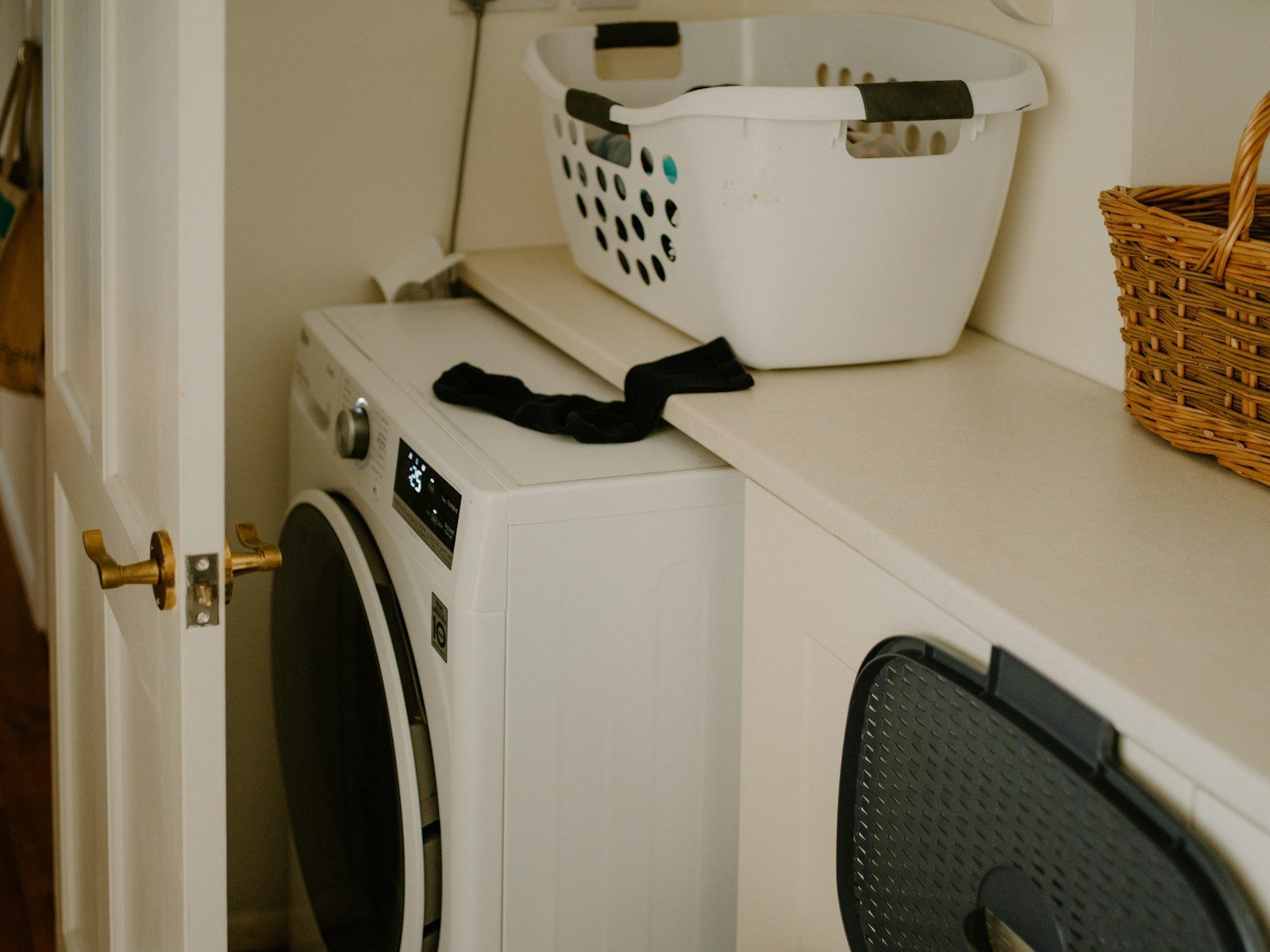
Laundry routines often become cluttered with conflicting advice about temperatures, specialty detergents, and cycle names that vary wildly between machine manufacturers. When faced with a basket of mixed garments, it is easy to default to guesswork or overly complex settings that complicate the process without offering clear benefits. I prefer to treat a routine laundry load as a series of small choices that can be checked afterward. If we strip away the marketing terms found on modern control panels, the core task remains straightforward: clean ordinary clothes effectively while respecting the limits of the fabric and the appliance.
To establish a reliable workflow, I look at how the physical constraints of the home intersect with garment care. ENERGY STAR notes that cold water is an option for many ordinary loads, and that full, well-balanced loads help avoid unnecessary cycles without overloading the drum. However, these guidelines must be balanced against what your specific machine manual recommends and the actual drying space available in your household. In this article, I will outline a repeatable method for managing an ordinary laundry load, from sorting and dosing to post-wash inspection and drying deadlines.
Begin by gathering the garments that return week after week: everyday trousers, office shirts, cotton socks, and undergarments. Read the garment care labels and the detergent manufacturer instructions carefully. According to ENERGY STAR guidance, cold water can suit many ordinary loads, provided you follow the label limits and the washer manual. This is a practical starting point, not a universal rule that applies to every fabric type or heavy soil level. Maintaining consistency with these standard batches helps reduce unnecessary guesswork during busy weeks.
Keep items requiring specialized treatment entirely separate from this baseline trial. A garment that explicitly requires hand washing will not become machine safe simply because you select a cold setting. Similarly, healthcare textiles or garments with oily contamination have distinct handling requirements that standard wash routines may not fully address. If your current laundry basket contains exceptional items, postpone your workflow test until you have a genuinely normal load to run.
Take note of how your machine behaves during a standard fill. Controls and cycle behaviors vary significantly between models, so recording the actual cycle name rather than relying on generic terms like eco helps you replicate successful outcomes later. I would suggest writing down your chosen settings during the first few trials so you can compare the results objectively across multiple weeks without repeating past errors.
A common point of failure in home laundry routines is improper load sizing. A drum packed so tightly that the door barely closes is not a suitable full load; it restricts the tumbling action necessary for water and detergent to circulate through the fabric fibers. Conversely, running tiny loads constantly expends resources inefficiently and increases the total number of cycles required to manage weekly wear.
Imagine a household with work shirts and bulky linens waiting for a compact washer. Loading everything together may exceed the capacity or suit neither fabric well. Check the manual’s load guidance rather than using the fact that the door closes as permission. If the instructions call for different treatment, divide the items accordingly. A suitable full load is a useful goal; a compressed mixed pile is a different thing.
Consult your appliance manual to understand what constitutes a full load for your specific drum volume. When loading, place items loosely rather than pressing them down. If loading was outside the instructions, correct it on the next suitable batch and compare the outcome before blaming the detergent.
The detergent cap is a measuring tool only when you know which mark applies. Read the package for the load, machine type and water conditions it specifies. My first question would be whether the amount being used matches those instructions, not whether a larger dose might make a disappointing cycle work better. Keep the package available until the routine is familiar, especially after changing products.
Residue is a reason to check the process, not proof of a single fault. Confirm that the product suits the machine, that its dose was measured correctly and that the loading and dispensing instructions were followed. If those details are correct but the problem continues, consult the washer’s troubleshooting guidance. Do not repeatedly change the dose or add extra rinses without identifying what you are trying to correct.
For a hypothetical pair of dark trousers with white streaks, start a short note: cycle selected, product and amount, other items in the load, and what the marks look like. A repeat on a properly loaded ordinary wash can help you describe the problem to support if needed. Avoid drying or treating an unidentified mark with a new chemical merely to keep the experiment moving.
A laundry routine is incomplete if it ignores what happens after the machine stops. If every drying rack and hanger in your living space is already occupied, running another load simply moves damp garments from the washing machine to temporary piles on chairs or beds. Plan that stage before starting so the clean clothes have somewhere suitable to dry.
Work backwards from your schedule and available drying space before you press start on the washer. For example, if a household member needs a specific uniform dry by Wednesday morning, plan the wash cycle to finish with ample time for indoor or outdoor drying. Keep indoor racks positioned away from heavy walking routes and direct heat sources and follow the drying instructions for the garment and room.
Imagine an apartment with limited floor space during a humid week. Before running three loads, look at which clothes need to be ready first and what can dry in the available space. One well-timed batch may be more practical than creating several piles of damp washing. Follow the room’s ventilation and appliance guidance rather than improvising a drying arrangement around heaters.
When the cycle finishes, inspect specific trouble spots before declaring the routine a success. Check shirt cuffs, collars, and areas exposed to daily wear. Are they clean enough for their next use? If a specific stain remains, treat that individual item according to its specific care instructions instead of running the entire load through a second complete cycle.
Evaluate whether dark fabrics show any signs of powdery residue. If residue is present, check your dosing habits and ensure the load was not crammed too tightly. If specific items consistently fail to come clean under your standard routine, they may require pre-treatment or a higher temperature setting permitted by their care labels.
Keep a simple tally of how many repeat washes are required to get ordinary clothes ready to wear. If your standard routine consistently delivers clean results on the first attempt, you have found a reliable baseline. If adjustments are needed, change only one variable at a time so the comparison is easier to interpret; an ordinary home trial still cannot prove a single cause.
Consistency outweighs complexity when managing household chores. Rather than treating every wash as a unique experiment, establish a predictable rhythm based on the volume of laundry your household generates naturally over seven days. A steady cadence prevents baskets from overflowing and reduces the temptation to overload appliances.
Divide your weekly garments into logical batches that respect machine capacity and drying limits. For instance, pairing everyday cottons with similar fabrics makes it easier to apply consistent temperatures and dosing rules. This approach also aligns with broader energy conservation principles, such as those outlined in the US Department of Energy Energy Saver guide, which supports conserving heated water through thoughtful and efficient laundry planning.
Refine your routine gradually by observing the condition of your clothes over several weeks. A successful laundry workflow is one that runs quietly in the background of your life, producing clean, wearable garments without creating unnecessary household friction or wasted effort.
A useful exception might be a single work uniform needed the following morning. Record why that smaller necessary wash happened instead of treating it as a failed week. If it happens repeatedly, the solution might be an earlier wash day or a second uniform if appropriate, rather than packing unrelated fabrics into the same drum to make the load look fuller.
Duration alone does not tell you total energy and water use. Consult your specific appliance manual or published cycle data to understand how short cycles manage resource consumption.
Check load size, garment label requirements, and detergent dosing against instructions before changing multiple settings at once. Make one adjustment you can evaluate.
Cold water can suit many ordinary loads when labels allow, but it is not a universal solution for heavy oily contamination or specific sanitization requirements.
First check the product, dose, dispensing and load against the detergent and washer instructions. Residue can have more than one cause. If it persists when those details are correct, use the appliance troubleshooting guidance rather than repeatedly adding detergent or extra rinse cycles.
A wash is only useful when the clothes can be dried appropriately and made ready for use. Check space and time before starting, especially when a specific garment is needed the next morning. That makes the whole task easier to schedule.
A repeatable laundry routine relies on clear observation and steady habits rather than complicated adjustments. By aligning your sorting methods, machine capacity, detergent dosing, and drying space, you can manage ordinary loads efficiently week after week.
Have a correction? Contact the editors.
Separate flow, duration and compatibility so a water-saving decision starts with the shower you actually have.
Separate consumption, billing days and charges before deciding what a higher electricity payment means.
An observation sheet for a chilly entrance: locate the problem, establish who can change the door, and check that a proposed fix preserves its job.