Indoor growing
Does This Houseplant Need a Larger Pot?
Use the plant’s condition and growing space to decide whether repotting is useful, rather than choosing a container first.
Make room for observation before placing a new plant beside the rest of the collection.
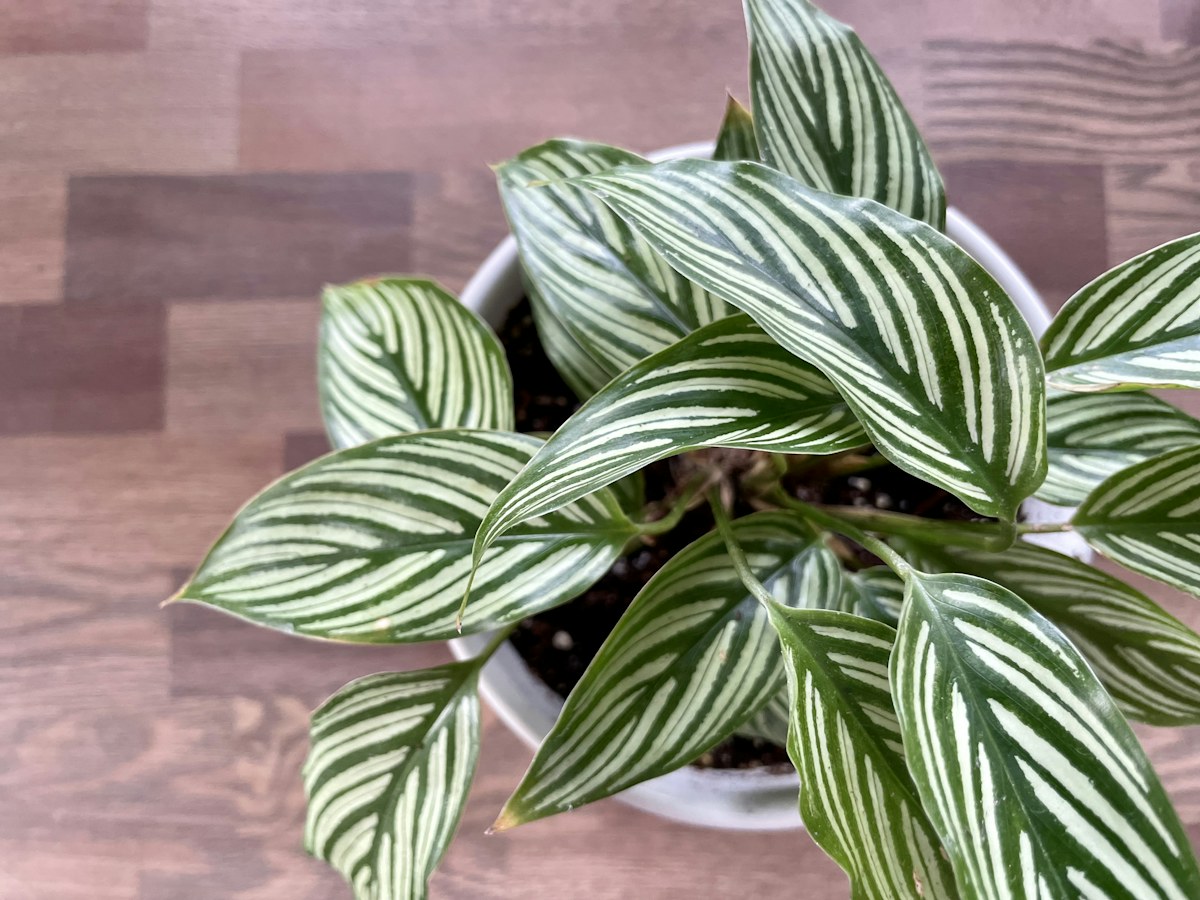
A plant can look appealing in the shop while leaving several questions unanswered: what is it, what conditions does it need and is anything unusual hiding beneath the leaves? I would give those questions a little space before putting a new purchase directly among established plants. A careful welcome is easier than deciding what changed across an entire crowded shelf.
This is an observation plan, not a pesticide routine or a guarantee that a plant is pest-free. The example is an imaginary foliage plant with a small sticky patch on one leaf. We will keep uncertainty visible, make sensible notes and decide when to ask the seller or a knowledgeable plant service for help.
Keep the label and any care information supplied with the plant. A reliable identification helps you judge its light, temperature and watering needs, as well as interpret an unusual feature. If the label is vague or missing, ask the seller for clarification rather than inventing a species from a similar-looking photograph. Record the answer with the plant’s information.
Choose an observation location that remains appropriate for its needs. Separation does not mean putting a plant into a dark cupboard, cold corridor or other stressful place. Consider the light and room conditions, and whether the household can inspect it comfortably. If there is no suitable place, rethink the purchase or ask how to manage the arrival within the space available.
Keep practical household boundaries in view too. Place unfamiliar plants and loose growing material out of reach where children or pets might investigate them, and check species-specific suitability for the household. A plant bought for decoration is still a living object with care and placement requirements. The temporary position should be workable for both the plant and the people using the room.
Look at upper and lower leaf surfaces, stems, growing points and the outside of the container. Check the visible surface of the growing medium and any accessible cover-pot arrangement. Use good light and handle the plant gently. You are looking for observations worth recording, not trying to prove that every hidden part is perfect before the plant is allowed indoors.
University of Minnesota Extension’s indoor-plant pest guidance encourages inspection and describes different pests and signs. Its value is in helping narrow a question. A mark, web-like material or sticky area may need closer identification; the observation alone does not establish a treatment. Avoid pulling apart a healthy-looking root ball merely because you have not yet seen every surface.
In our imaginary example, note the sticky patch’s position and whether anything else is visible. A clear photograph can help you compare it later or ask for advice. Do not immediately label it as one specific insect problem. If the seller has relevant information about recent handling or plant characteristics, that may help interpret what you see without replacing a careful inspection.
A separate period gives you a chance to see changes before the plant shares a crowded arrangement. Iowa State’s guidance for bringing outdoor houseplants indoors describes several weeks of isolation; that is a useful example of the purpose, but its specific context matters. A fixed number of days does not certify every new plant as free from every possible problem.
Decide what you will check during the period: the photographed mark, new visible activity and the plant’s general response to its new conditions. Keep notes short. Unchanged appearance is information, as is a growing patch or a new sign, but neither should be interpreted without the plant’s identity and care conditions. Repeated observation is more useful than checking constantly without a question.
Avoid moving the plant between several unsuitable positions to maintain a nominal separation distance. If the temporary arrangement fails its basic care needs, ask for a more suitable plan. The object is to reduce uncertainty while keeping the plant reasonably cared for, not to create stress that produces another set of symptoms to interpret.
Different causes need different responses. Before applying anything, establish what problem you are trying to address and consult appropriate plant guidance. A bottle labelled for another use is not a general-purpose solution for a houseplant. Household cleaners, improvised detergent mixtures and preventive spraying can create problems of their own and may be unsuitable for the plant or location.
If a treatment is advised, follow the actual product label, including plant suitability, location, handling and other limitations. Do not convert a small example found online into a universal concentration or routine. This article deliberately provides no pesticide recipe. Identification and a suitable recommendation come before decisions about applying a product in the home.
Sometimes the sensible next step is a conversation with the seller or an extension service, especially when signs are unclear or widespread. Share the plant’s identification, photographs, arrival date and relevant care observations. Ask what additional evidence would help. A short account of what you saw is preferable to an uncertain diagnosis accompanied by several treatments already applied.
When caring for the new plant, avoid casually sharing standing water, used growing material or dirty tools with established plants. Follow appropriate cleaning and handling guidance for the task. This is not a reason to use harsh chemicals indiscriminately; it is a reason to keep the new plant’s care understandable and avoid creating unnecessary connections while a problem is unresolved.
Think about the sequence of ordinary jobs. If you inspect several plants, keep notes associated with the correct one and avoid moving loose leaves or material between pots. A tray or a defined work surface can make cleanup easier. Do not leave an uncertain plant clipping on another pot’s soil while looking for somewhere else to put it.
Water according to the identified plant’s needs and the actual growing conditions. An observation period does not justify either withholding water indefinitely or watering every day to show attention. If the cover pot contains standing water or the arrangement is difficult to inspect, address that care question separately. Multiple problems can coexist without having a single explanation.
Before moving the plant beside the collection, review the observations and any advice received. Has an identified issue been managed according to appropriate guidance? Is another check recommended? If a question remains unresolved, keep seeking advice instead of declaring the period complete because a calendar reminder appeared. A date is a prompt for review, not a guarantee.
Choose the permanent position for suitable growing conditions and access to care. Leave enough room to inspect leaves and reach the container without knocking neighboring plants. A display that is attractive but impossible to maintain can make future changes harder to notice. It is reasonable to keep the collection smaller if that allows each plant a workable place.
Continue ordinary checks after the move. The arrival routine reduces some uncertainty but does not eliminate future plant-care problems. Keep the label and useful notes so a later question starts with identification and history. The lasting benefit is a more observant habit, rather than the idea that one successful welcome procedure makes the entire room permanently pest-free.
A visible inspection and a check of its identity and care needs are still useful. A healthy appearance does not reveal every possible issue. The purpose is to establish a sensible starting point, not to assume that every new plant is infested.
Use advice relevant to the plant and situation. Iowa State discusses several weeks for houseplants returning indoors after time outside, but no fixed period guarantees that every problem will reveal itself. Review observations and seek guidance where signs remain uncertain.
Do not make an unidentified problem a reason for improvised treatment. Establish what you are addressing and follow appropriate plant guidance and the actual product label if a treatment is recommended. This article does not prescribe preventive pesticides or household-cleaner mixtures.
Provide the plant’s identity if known, a clear photograph, the location of the mark and whether it is changing. Add recent care or handling information. Describe observations rather than presenting one possible pest as a confirmed diagnosis.
Only if its conditions are actually suitable for the plant, which a dark room often is not. Separation should not replace necessary light, warmth and care. If suitable space is unavailable, ask for an alternative plan or reconsider adding the plant to the household.
A careful welcome begins with a place to observe, a reliable plant name and a few clear questions. Keep unusual signs in view without rushing into treatment, and use suitable help when identification is uncertain. The goal is a plant you can care for and inspect in its new setting, with fewer assumptions carried into the rest of the collection.
Have a correction? Contact the editors.
Use the plant’s condition and growing space to decide whether repotting is useful, rather than choosing a container first.
Match the care plan to the plants, the absence and the person helping, rather than giving every pot the same drink.
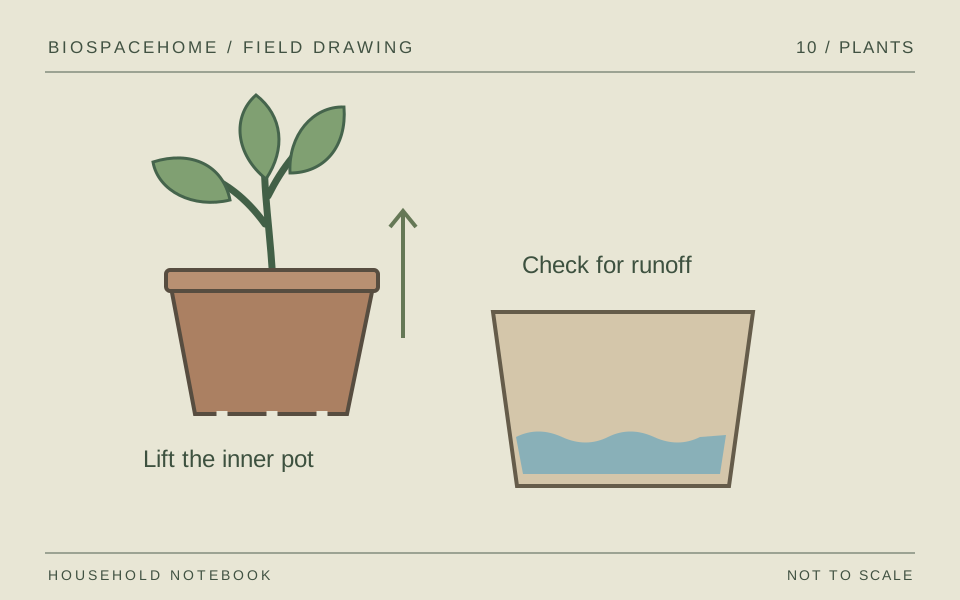
A dry-looking surface can hide leftover water below the nursery pot. Check the container, the plant and its light before deciding what comes next.