Indoor growing
Does This Houseplant Need a Larger Pot?
Use the plant’s condition and growing space to decide whether repotting is useful, rather than choosing a container first.
A small observation sheet helps separate a promising plant spot from a corner that only looks bright at lunchtime.
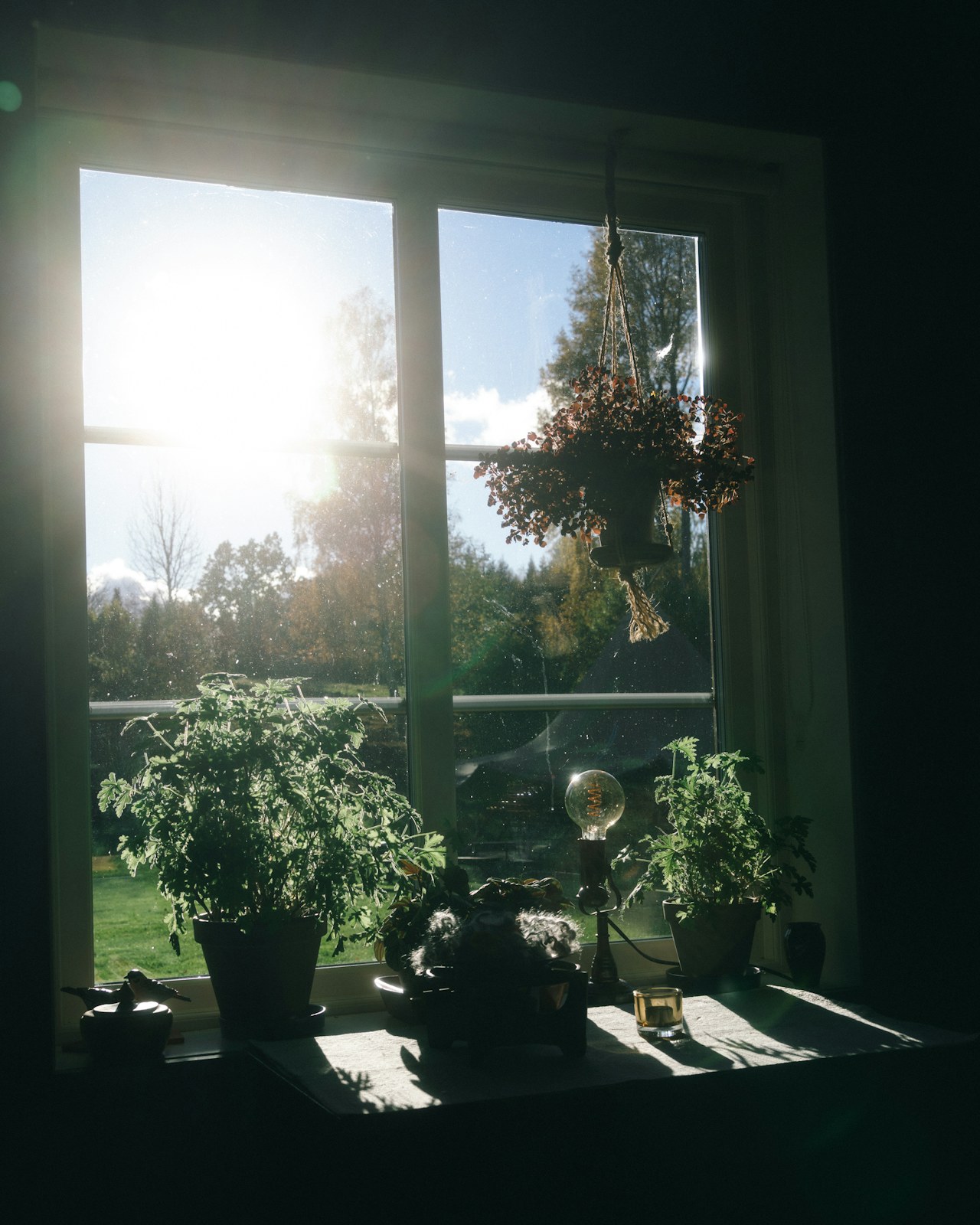
The phrase bright room leaves me with a question: bright where, and when? A sunny patch on the floor can make a whole living room feel cheerful while the plant on the bookcase remains outside it. Before I recommend moving that plant or buying a grow light, I want a less impressionistic description of its address. A window, a curtain, the height of a shelf and the time someone opens the blinds all belong in that description.
My starting point is a short observation sheet for one plant and two possible positions. This is a practical way to organize a decision, not a controlled experiment or a promise of recovery. I would spend a few ordinary days understanding the available light, then make one considered adjustment. The procedure below is especially useful when days shorten in a temperate climate. It also works at other times of year, provided the notes describe the season and conditions you actually have.
I would write the plant's name at the top of the page, using its nursery label where possible. If the label is missing, I would resolve that uncertainty with a reputable plant guide or nursery before making a large change. Two plants in similar pots can have quite different needs. The RHS recommends checking the individual plant's growing requirements rather than treating poor growth as a reason to apply the same remedy to every houseplant.
Next comes the aim. Are we trying to maintain a foliage plant through winter, encourage flowering, or improve the quality of new growth? Those are different questions. University of Minnesota Extension explains that tolerating lower light does not necessarily mean a plant will produce dense foliage or flowers there. I would not turn a label saying low light into permission to put a living plant in a windowless decorative recess indefinitely.
My note would contain the name, the relevant care-source link and one sentence describing the goal. For example: evaluate a brighter position for the next growing period. I would also photograph the plant as it is, without staging away its untidy leaves. The photograph is a reference for later comparisons, not evidence that light caused any particular mark. Starting this way keeps the project focused on the plant already in the room.
For the first pass, I would stand or sit beside the plant and look toward the window. Is the foliage level with clear glass, tucked below a high sill, or screened by the edge of a cabinet? Mississippi State University Extension identifies distance from glass, window coverings, roof overhangs and nearby obstructions as important influences on available light. A compass direction is useful context, but it does not describe all those obstacles.
I would mark the existing position A and one realistic alternative B. There is no need to rearrange the whole room. Record the distance from the window, the shelf height and what sits between the foliage and the glass. Use the same units for both positions. An ordinary tape measure is enough to make the locations reproducible; these distances are not universal prescriptions for any species.
Then I would put the room back into everyday use. A candidate location that only works with the dining chairs removed or the privacy blind permanently open is not really available. My preferred solution has to coexist with the people living there. I would also leave enough space to inspect the pot and reach it for watering. A plant wedged into a bright but inaccessible corner creates a different maintenance problem, even if the photograph of the room looks better.
I would make three brief observations on a day when I am home: morning, around midday and later in the afternoon. At each position I would record the time, weather, curtain setting and whether direct sunlight reaches the proposed leaf position. Repeat on a few days with different weather if possible. These are snapshots, not a measurement of every hour. If I did not observe the morning, I would write unknown rather than convert an afternoon impression into a complete daily total.
My simplest entries would read: A, 9:15, overcast, blind open, no direct sun observed; B, 13:10, sunny, sheer curtain closed, no direct sun observed. If a sunbeam is present, I would note where it falls. Does it touch the leaves, only the pot, or the floor beyond the stand? This wording helps distinguish a real observation from the broad label sunny room.
University of Missouri Extension cautions that our eyes adapt to light levels, making visual judgments of intensity unreliable. I would therefore use the sheet to compare conditions, not to declare a scientifically established light category. A suitable meter can add information, but its units and instructions matter. Buying an unfamiliar gadget should not postpone the straightforward task of noticing that a blind stays shut until noon or that a bookcase blocks most of the window.
The best-looking daytime option still needs an evening inspection. The RHS warns that cold windowsills, positions trapped behind curtains, draughts and proximity to radiators or fires can damage houseplants. Mississippi State also advises keeping foliage off cold glass in freezing conditions. Those warnings are why I would not automatically push a pot against the pane simply because it is closer to daylight.
I would close the curtains as the household normally does and check which side of them the plant occupies. Then I would look for a radiator below, an opening window above, and a door that regularly admits cold air. If temperature is a concern, a room thermometer placed near the proposed location can provide a more useful observation than a quick touch of the sill. Compare the conditions with guidance for the identified plant; there is no single temperature rule in this notebook for every species.
This step can eliminate an option without any plant experiment. A narrow sill that presses leaves against glass is a poor candidate for a large plant. A stable stand with clear space may be more workable, provided its actual light suits the plant. I would rather document why a location fails than spend weeks trying to compensate for a problem that was visible before the move. Safe access to the window and a secure pot also remain part of the decision.
Consider this hypothetical apartment: an established foliage plant stands on a sideboard several steps from an east-facing window. The owner notices thin new growth and is considering the sill directly above a radiator. In this example, I would resist choosing between those two positions immediately. First I would check the plant identity and care history, then add a third possible spot on a stable table beside the window. The case is an illustration of the reasoning, not a report of a household I visited.
The observation sheet might show that the sideboard receives no direct sun during the checked periods, the sill receives morning sun but becomes uncomfortably warm when heating runs, and the table remains clear of the radiator. I would not invent a light reading for any of them. The useful result is a shorter list of unknowns: is the table's daylight suitable for this plant, and what happens there during the unobserved part of the morning?
That leads to a proportionate next step. Observe the table at the missing time and compare the result with the plant's requirements. If the position is unsuitable, keep looking or assess supplemental lighting. If it looks appropriate, plan a careful move. This is the point of the sheet: it turns buy something into a specific decision. Even an unsuccessful search has value when it shows that furniture, privacy or temperature makes the imagined perfect window unavailable.
Before moving, I would check for other explanations of the symptoms. The RHS's poorly-houseplant guide discusses light alongside watering, temperature, humidity and pests. A yellow leaf alone does not settle the diagnosis. If the pot is persistently wet or there is visible pest activity, those observations deserve attention rather than being folded into a convenient story about a dark corner. The move should follow a reasoned assessment, not replace one.
For a suitable new position, I would record the date and what changed. I would avoid combining the move with an unnecessary repot, a new fertilizer and a different watering calendar. Keeping the record simple makes subsequent observations easier to interpret, although a home setting still cannot isolate every variable. Where the candidate location introduces strong direct sun, consult the plant's specific guidance on an appropriate transition instead of assuming that more exposure is automatically better.
I would review the notes weekly, without expecting a fixed recovery deadline. Look at the condition of developing growth and record any additional leaf loss or new damaged areas. Minnesota Extension lists stretched stems and leaf loss among possible signs of inadequate light, while excessive light can scorch foliage. Watering still follows the plant and pot's condition. The RHS notes that reduced winter growth often means less water is needed; a move is not a reason to pour in an extra drink automatically.
If no practical window position meets the plant's needs, supplemental lighting becomes a clearer proposition. University of Minnesota Extension identifies artificial light as a way to make up for inadequate natural light. I would begin the shopping note with the plant, the area to be lit and the available mounting position, rather than a photograph of an attractive lamp. A light that cannot be positioned sensibly over the actual foliage may solve the wrong problem.
For any candidate fixture, I would read the manufacturer's coverage, placement and operating instructions and compare them with plant-specific guidance. I would not copy one universal lamp distance from a social-media image. Plan cable routing, access for watering and where the fixture can be secured before buying. A timer can make a chosen routine easier to maintain, but the schedule still needs to suit the plant and the existing daylight.
I would also decide what would count as a useful outcome. For this small project, it might be a workable permanent location and a record of how new growth develops, rather than a dramatic before-and-after photograph. If a lamp and its running routine are more than the household wants, choosing a plant suited to the available conditions remains a reasonable option. The observation sheet has done its job when it makes that trade-off visible before another purchase.
I suggest several ordinary days, including different weather where possible, as a manageable planning exercise. That is an editorial workflow, not a scientifically validated minimum. Keep the date and observation times, and label gaps honestly. Recheck when the season, curtains, furniture or outdoor shading changes.
No. Window direction is only one part of the description. Buildings, trees, coverings, distance and the plant's requirements also matter. The directional examples in the cited US and UK guidance reflect Northern Hemisphere conditions. Readers elsewhere should use locally appropriate plant guidance and their actual observations.
No. Brighter conditions may help some plants during a darker season, but the proposed position still needs checking for cold glass, draughts, heating and unsuitable direct sun. The RHS specifically warns about temperature extremes near windows and heat sources. Assess each plant and location separately.
It can describe the light environment, but it cannot establish the cause of yellowing. The RHS health-check guidance includes several overlapping care problems. Check moisture, drainage, temperature and pests as well, and ask a reputable nursery or extension service for help when the cause remains unclear.
Use a day off to make a few observations, or ask someone at home to record the same simple fields. Do not claim a complete daily pattern from one weekend glance. If the information is still insufficient, a suitable light-measurement tool and plant-specific guidance may be more useful than guessing from the room's evening appearance.
I would start with a pencil, the plant's name and two locations worth comparing. Record what the leaves can actually receive, then return after dark to check what the same window becomes when the curtains close and the heating runs. That small amount of attention gives the next decision a clear basis. The result may be a modest move, a better-defined lighting purchase or permission to leave a healthy plant alone. Each is more useful than moving a pot simply because the room looks bright to me.
Have a correction? Contact the editors.
Use the plant’s condition and growing space to decide whether repotting is useful, rather than choosing a container first.
Make room for observation before placing a new plant beside the rest of the collection.
Match the care plan to the plants, the absence and the person helping, rather than giving every pot the same drink.