Indoor growing
Does This Houseplant Need a Larger Pot?
Use the plant’s condition and growing space to decide whether repotting is useful, rather than choosing a container first.
Choose a herb for the meals you make and the light you have, then give one pot a manageable trial.
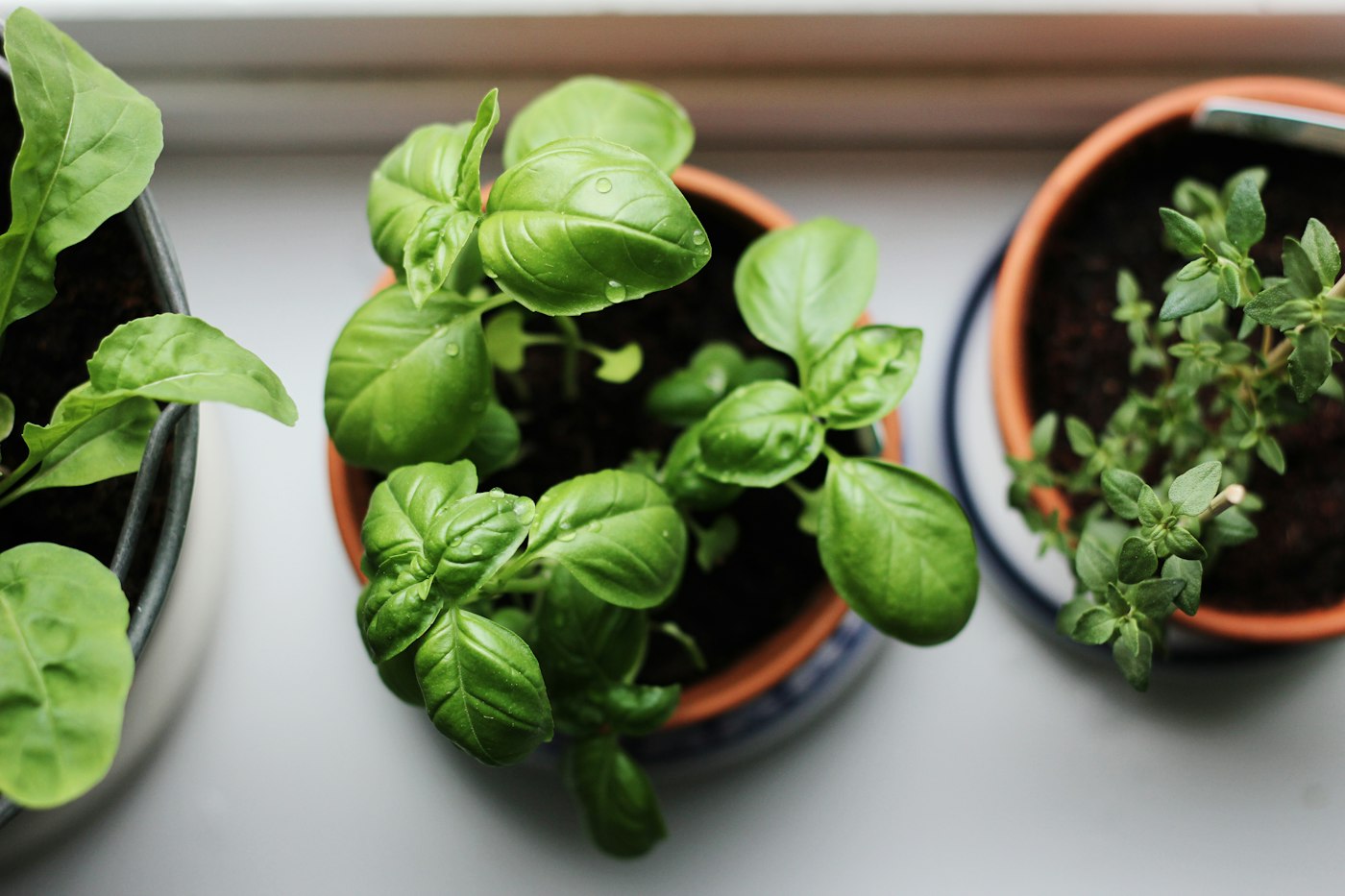
A windowsill garden can begin with an attractive shopping list: matching pots, saucers and a packet of seeds for every label. I would start with a meal instead. Which herb would you use often enough to enjoy growing, and does your home offer a suitable place for it? One plant gives you a chance to answer both questions before setting up a collection. The goal is a useful addition to the kitchen, with care you can realistically manage.
University extension guidance emphasizes adequate light and drainage for indoor herbs. Indoor plants may be less productive than outdoor ones, so I would plan for modest fresh harvests before expecting a pot to supply a whole recipe. That leaves room to enjoy a few leaves without treating every grocery purchase as a failure. Before buying equipment, look at how much herb the household actually uses and observe the proposed growing spot.
The first decision is a match between a plant, a place and a meal. After that come smaller questions: can you reach the pot to check it, manage runoff, and leave enough growth after harvesting? A short trial helps reveal whether the arrangement fits. Buying smaller bunches or sharing a packet can remain part of the plan; the plant does not have to replace every other way of obtaining herbs.
Write down the last three meals for which you bought fresh herbs. Which herb did you actually use, and how much was left in the packet to wither in the crisper drawer? This is a much better starting point than looking at a photograph of a crowded, sunlit windowsill on the internet. A household that occasionally wants one sprig of rosemary for roasted potatoes has an entirely different logistical problem from one that makes a large batch of basil sauce every single week.
Be realistic about what a small indoor pot can supply. Imagine a weekend recipe requiring two cups of packed leaves: I would not plan that dinner around a newly bought windowsill plant without knowing what it can spare. Buy the recipe quantity separately if needed and let the plant establish itself. A few leaves for a garnish and a bowlful for sauce are different jobs, even when the herb name on the list is the same.
The first pot you bring home is a growing experiment, not a permanent guarantee that you will never need to buy that herb at the grocery store again. By anchoring your choice to your actual cooking pattern, you avoid the disappointment of nursing a plant you rarely taste. If you rarely cook with cilantro, do not start your indoor growing experiment with cilantro simply because it looked vibrant at the garden center.
Set an empty pot in your intended position on the windowsill. Look at it in the morning, around midday, and later in the afternoon to see how light moves across that exact surface. Note when direct sun actually reaches the level of the leaves rather than just illuminating the floor or the upper glass pane. Window direction provides useful baseline context, but a deep masonry reveal, an exterior balcony above, a nearby tree, or a closed blind can drastically change what the plant leaves actually receive.
A spot that looks bright from across the room is not necessarily suitable at leaf height. University of Minnesota Extension’s lighting guidance points out the importance of actual exposure, including obstructions. Use the plant’s own needs to interpret your observations. If useful light reaches the proposed position only after you leave for work, check that curtains or blinds will not stay closed throughout that period.
Check access as well as light. A suitable growing position should let you inspect the plant and handle its container without balancing on furniture or reaching over hot appliances. Look up care for the particular herb instead of treating every pot alike. If the only bright position is awkward to use, consider whether another arrangement is practical before purchasing the plant. A good view of the window from the sofa is not the same as easy access to the pot.
Consider how the plant will fit into an ordinary day. A watering can kept behind pantry boxes adds an extra step; a window behind a heavy chair adds another. Neither makes plant care impossible, but both matter when choosing a convenient spot. I would arrange the tools and access before buying additional plants, so a quick check remains a small task instead of requiring the room to be rearranged.
Evaluate the practical cost and effort of access before committing to a setup. Imagine an apartment where the kitchen sink is ten feet away from the only suitable sunny ledge, requiring you to carry a heavy saucer across a carpeted hallway every few days. While this is physically manageable, it introduces friction into the routine. If you cannot reach the pot easily without moving a toaster, a dish rack, and three other decorative items, the placement is likely working against your long-term consistency.
Plan where runoff will be emptied rather than leaving a pot standing in its saucer of water. A removable inner container can make this easier, provided it can be handled comfortably. Include the full task in your decision: checking the mix, watering when appropriate, managing drainage and returning the pot. Growing a herb involves attention as well as a place to display it, and that effort belongs in the comparison with buying a bunch.
Keep the plant tag and a short record of the starting arrangement. Note the windowsill position, watering checks and the first harvest actually used in a meal. Follow harvest guidance for the identified species, rather than choosing an arbitrary number of leaves for every herb. If a recipe asks for more than the plant can reasonably spare, adjust the shopping list. A small harvest can be useful without meeting the entire recipe quantity.
Observe before changing several things at once. If leaves yellow, check the growing mix, drainage and light instead of assuming that fertilizer is the answer. The symptom alone does not identify the cause. Extension guidance notes that watering needs change with growing conditions; it does not turn a particular leaf colour into a universal diagnosis. A clear note about what you found will be more useful than a list of products added.
Imagine recording that the growing mix remained damp during a cloudy stretch, then checking the species guidance before watering again. That observation gives you something concrete to discuss if the plant declines. A month is a convenient personal review point, not a deadline by which the plant must deliver a fixed harvest. Compare the arrangement with your original purpose: has it supplied an occasional garnish, and is the care manageable?
At the end of your initial trial month, ask a practical question: did this potted plant actually solve the grocery packet problem? Perhaps your single windowsill pot of parsley supplied enough small garnishes for weekend eggs, but it could not keep up with your weekly demand for chimichurri sauce. In that situation, you might decide to keep the small pot strictly for minor garnishes while continuing to purchase larger bunches at the store on sauce-making days.
Other ways of supplying herbs can work alongside the pot. Buy a smaller packet for an occasional dish, or arrange to split a bunch when both households have a definite use for it. Freezing may be suitable for a particular herb and later recipe, but follow a reliable food-preservation guide for the method. The point here is to choose a use before creating surplus, not to improvise a storage recipe after a large purchase.
Compare these choices against a specific need. For a large sauce-making session, a bought bunch may be convenient; for occasional leaves, a suitable potted plant may be enjoyable. Neither arrangement promises a financial saving. I would include the plant, containers, any lighting equipment and the attention required when deciding what is worthwhile. The pleasure of growing something can be part of that decision without being presented as a measured household saving.
When growth changes, begin with the observation you can describe. Long, weak growth may point to inadequate light, but compare the identified herb with its guidance before moving it. Note whether a blind, neighbouring object or seasonal change has reduced exposure. A different position should still meet the plant’s other needs and remain accessible. Brighter is not a blanket instruction to place every struggling pot against the hottest glass.
Persistently damp growing mix and worsening leaves deserve a check of drainage and watering. Empty pooled runoff, inspect the arrangement and seek species-specific advice if the problem continues. Avoid declaring the problem solved because the saucer is dry. Likewise, do not apply a universal “dry top inch” rule to every herb. Describe what you observe and how long it has persisted rather than guessing a single cause from one symptom.
Imagine a plant struggling after a change in its window position. Write down both the move and the symptoms, then compare the new light and conditions with its care requirements. If the only suitable place is inaccessible or the household no longer uses that herb, ending the trial is reasonable. You can pass on a healthy plant to someone able to care for it and choose a different way to supply the kitchen.
Exposure, shading, latitude, season, and species all matter. Observe the actual light reaching the plant height rather than relying solely on compass directions.
Start with separate pots if their watering or light needs differ. Separate containers let you adjust one position without disturbing the others.
That depends on the species, plant size, growing conditions and recipe quantity. Plan for modest harvests initially, then judge from what your plant can supply while following appropriate harvest guidance. Buy a larger quantity separately when a meal requires it.
Look at drainage, standing runoff, light and the identified herb’s watering requirements. Persistent symptoms call for further advice, not a guaranteed cure from changing one thing. Describe the container arrangement and recent care when asking for help.
No. Different species have distinct requirements for moisture, light, and warmth, so you should read guidance for the particular herb rather than defaulting to uniform care.
Starting your indoor growing experience with a single culinary herb allows you to match plant needs to your actual kitchen habits and home environment. By observing light at plant height, maintaining a simple trial record, and assessing alternative sourcing strategies, you can enjoy fresh harvests without overbuilding your space.
Have a correction? Contact the editors.
Use the plant’s condition and growing space to decide whether repotting is useful, rather than choosing a container first.
Make room for observation before placing a new plant beside the rest of the collection.
Match the care plan to the plants, the absence and the person helping, rather than giving every pot the same drink.