
Water & energy
Measure the Shower Before Choosing a Replacement
Separate flow, duration and compatibility so a water-saving decision starts with the shower you actually have.
Watch a single window through daylight and dusk before buying new layers of fabric or adopting rigid seasonal rules.
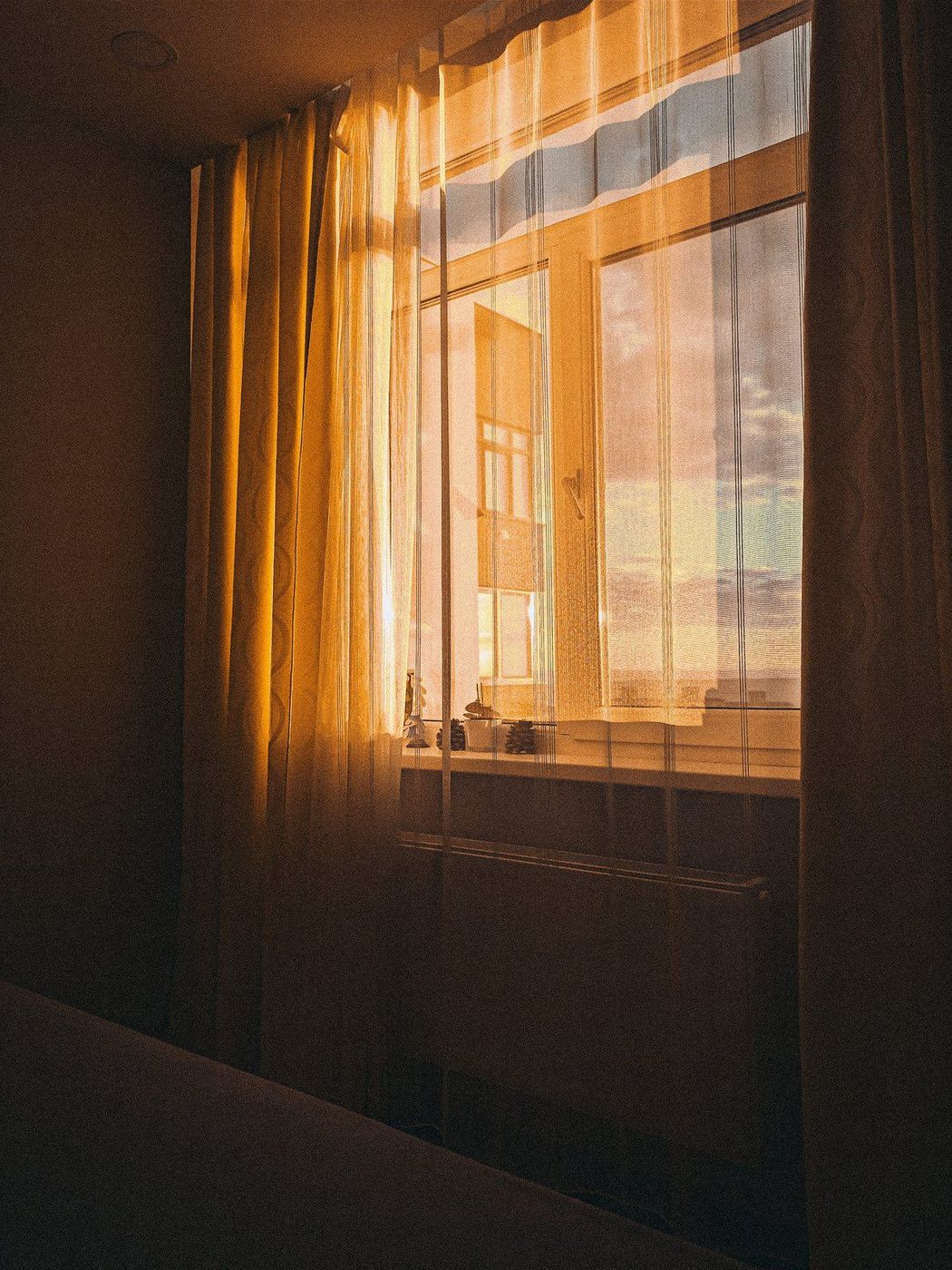
Most winter window advice begins and ends with a compass point. You are told that south means sun and north means shade, as though every building stood in an empty field rather than a dense neighborhood of eaves, balconies, and neighboring walls. I would check that instruction against the actual room before turning it into a daily rule. A south-facing window can be entirely gray at noon if an exterior overhang blocks the low winter arc, while an unexpected reflection off glass across the street might flood a north-facing corner with sharp glare.
Observing one window closely across a single daylight cycle changes how you manage its coverings. Instead of relying on a generalized routine, you begin to notice the friction points: the afternoon glare that makes a computer screen illegible, the chilly draft that creeps in around dusk, or the radiator that sits awkwardly beneath a sill. The United States Department of Energy notes in its winter guidance that letting sunlight through sunny south-facing windows during the day and closing coverings at night can help reduce winter chill, but these are general principles rather than strict laws for every pane of glass in your home.
This essay looks at how to build a rational, observable window-management routine using the coverings you already own. We will examine the difference between theoretical compass directions and actual light, explore how to handle tricky architectural obstacles like deep balconies and west-facing late-day sun, and review the practical boundaries set by renters restrictions, ventilation needs, and heating safety. The goal is not to chase theoretical efficiency percentages, but to make your living space more comfortable by paying attention to what is actually happening at the glass.
To understand how a window behaves, you have to watch it on a normal day without changing anything. Imagine a living room where a wide window faces south, but an apartment balcony overhead casts a permanent shadow across the upper half of the glass all winter long. At ten in the morning, the room feels cool and dim. By one in the afternoon, a narrow band of bright winter sun hits the floorboards near the baseboard, but the sofa remains in shadow. If you applied a blanket rule that south-facing windows should stand fully open all day, you might gain little direct sunlight; useful daylight and privacy still need consideration. Opening a curtain is separate from opening the window itself.
I prefer to take simple notes over a couple of days. When does the light actually reach the surface where you sit or work? Is it a diffuse glow or a sharp beam? Often, you will find that the window has distinct zones of utility. The top third might provide useful ambient light for the room while the lower half must stay partially covered to maintain privacy from a walkway outside. By separating the window into functional zones rather than treating it as a single binary open-or-closed surface, you lay the groundwork for better daily management.
The United States Department of Energy outlines a classic Northern Hemisphere winter approach: admitting daytime sunlight through unobstructed south-facing glass and drawing shades at night to reduce evening chill. Yet that guidance assumes direct access to the sun arc. When your specific window is shaded by an architectural overhang or an adjacent structure, the daylight routine must adapt to physical reality. Checking the glass from your actual chair is always more reliable than checking a map.
A common failure in window management is the all-or-nothing approach. People either fling the heavy drapes wide open and suffer from blinding midday glare, or keep them firmly shut and turn on electric lamps at two in the afternoon. Imagine a desk placed opposite a west-facing window on a bright winter afternoon. When the low sun finally clears the neighboring roofline, it shoots a horizontal beam directly across the room, washing out computer screens and making reading impossible without squinting.
In this scenario, a full opening is counterproductive. Instead, a partial opening or adjusting an existing sheer layer can diffuse the direct light while still keeping the room feeling connected to the outside. If privacy is also a concern—perhaps the window looks out onto a busy sidewalk—you might choose to open only the upper portion of a flexible covering if your hardware permits, or rely on a lightweight inner layer that obscures the view while letting daylight filter through.
A covering cannot answer every comfort problem. If you notice a persistent draft or a window that will not close properly, record where and when it happens and arrange an appropriate check. Repeatedly changing the curtain position will not establish the cause. I would keep a note about that maintenance issue separate from the daylight experiment, which is about using an existing covering more conveniently.
Standard seasonal advice often breaks down completely when applied to west-facing windows in winter. While a south-facing pane might receive early daytime solar gain, a west window often remains cold, dark, and inactive through the morning and early afternoon, only to receive a sudden blast of intense, low-angle sunlight just as the workday is ending. Following a rigid morning routine for such a window makes little sense.
Consider a hypothetical west-facing room that receives useful late-afternoon sun but little direct morning sun. The occupant could try a partial opening when that light arrives, provided glare and privacy allow it. A closed morning curtain might feel more comfortable, or the household might prefer daylight and an outdoor view. Neither choice follows automatically from the compass direction; the point is to compare the room at the hours it is actually used.
Building a cue for this kind of window requires personal observation rather than a clock. Instead of relying on a generic instruction like open after breakfast, you might tie the action to a specific household event, such as making your afternoon tea or switching on the first reading lamp. If you rent your home and cannot install new hardware, working with existing curtain rods or tension rods means your adjustments must stay simple, requiring no permanent alterations to the wall.
In the pursuit of comfort, it is easy to overlook the physical constraints imposed by your heating equipment and living situation. Many older homes place radiators directly beneath windows, creating a natural meeting point for rising heat and falling cold air from the glass. If you drape a heavy, floor-length curtain so that it pools over the top of a convector heater or blocks a baseboard vent, you disrupt the intended airflow of the room and create a potential safety hazard.
Keep fabric clear of heating equipment, vents and exits, following the specific equipment instructions. In a rental, establish what changes are permitted before adding hardware or altering a frame. Existing coverings often allow a useful first trial without buying anything. If they are damaged, inaccessible or unsuitable beside a heater, ask the responsible person about a safe repair or alternative instead of improvising a mounting arrangement.
Treat ventilation and visible moisture as separate questions. Follow the home’s ventilation instructions and do not block vents to make a curtain fit neatly. Note condensation, damp fabric or recurring wet patches and seek appropriate advice if they persist. Closing a covering for comfort is not a treatment for dampness. The winter routine should still leave the room’s required ventilation and heating arrangements working as intended.
A routine only survives if it fits naturally into your daily movements through the house. A complicated timetable can be hard to keep when the household’s day changes. Instead of trying to memorize a complex timetable for every room, focus on building small, observable cues tied to the specific light patterns you mapped during your initial walk.
Imagine setting up a minimalist routine for a multi-use room. Morning setting: if the east window gets early light, open its sheer layer while making coffee. Afternoon exception: leave the shaded south window closed until the workspace needs softening. Evening cue: close all main coverings not when the sun sets by the clock, but at the exact moment you switch on the primary reading lamps to signal the shift from day to evening comfort.
Keep your physical actions simple enough that you can perform them without climbing over furniture or stretching dangerously over deep window sills. If a window requires standing on an unstable chair to reach a stuck cord, find a safer compromise or leave that covering in a fixed position. Safety and ease of access always outweigh the marginal benefits of adjusting a hard-to-reach shade.
It is tempting to view a successful window routine as a major engineering achievement, but it is wiser to maintain a measured perspective. A useful distinction here is that a comfort observation is not a measurement of energy savings. Weather fluctuates wildly from week to week, heating thermostats cycle based on indoor temperatures, and human perception of warmth is subjective.
When you close your coverings at dusk and notice that the room feels noticeably less chilly near the sofa, treat that result as a localized comfort improvement rather than a guarantee of lower utility bills. That modest success is still valuable. It tells you that your existing fabric layer is doing useful work when deployed at the right moment.
Let that realistic outcome guide your next steps. If you find that your routine noticeably reduces evening drafts and manages glare without adding daily frustration, you might decide that researching an additional liner or a better-fitting covering is worth the effort. If the experiment reveals that your windows are simply too drafty or obstructed for routine adjustments to matter, you have saved yourself time and money by learning the limits of your space before buying anything new.
Treat it as a daylight and privacy decision rather than an energy harvest. You do not need to imitate a sunny-window routine where the relevant sun never arrives.
No, you should reassess when unwanted heat rather than cold is the primary concern. The guidance described here is specifically for cold-weather comfort, not a year-round rule.
Keep fabric clear of heating equipment at all times. Never let drapes pool over heaters or block vents, and follow all equipment safety instructions.
Try changing the position of the existing covering first. Check the tenancy arrangements and equipment instructions before adding rods, coverings or other hardware. A product advertised as removable does not automatically make it suitable or permitted on every window.
Drawing coverings at night helps reduce evening chill near the glass, but comfort observations are not guaranteed energy savings because weather and heating systems vary.
Observing a single window across a winter day connects your daily habits to the physical reality of your home. By matching your covering routine to actual light patterns, respecting safety limits around heaters, and keeping expectations realistic, you can make your living space more comfortable without relying on rigid rules or unnecessary purchases.
Have a correction? Contact the editors.
Separate flow, duration and compatibility so a water-saving decision starts with the shower you actually have.
Separate consumption, billing days and charges before deciding what a higher electricity payment means.
An observation sheet for a chilly entrance: locate the problem, establish who can change the door, and check that a proposed fix preserves its job.